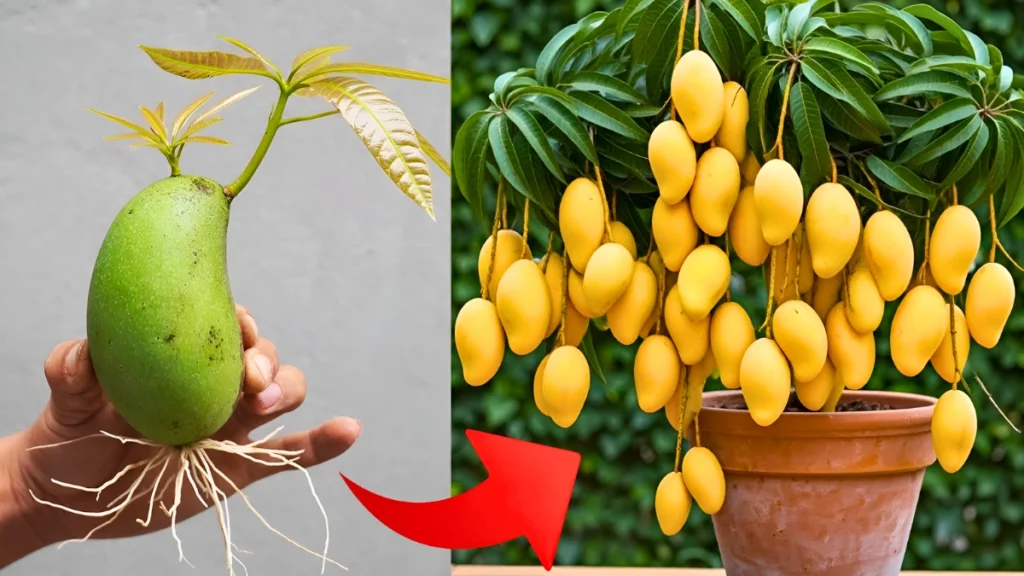
How to Grow Mango Tree at Home in 2026: Growing a mango tree at home has become one of the most exciting gardening trends in 2026, especially for people who want fresh, chemical-free fruits right from their own space. With new-age gardening techniques and smarter plant care strategies, you no longer need a huge farm to grow a healthy mango tree. Even a terrace, balcony, or small backyard is enough if you follow the right method. This guide reveals a powerful and practical approach that helps your mango plant grow faster, stay disease-free, and produce juicy fruits in less time.
Start With Grafted Power Plants
The biggest mistake beginners make is growing mango from seeds and waiting endlessly. In 2026, expert gardeners always choose grafted mango plants because they are designed for faster fruiting and better quality. These plants inherit the best traits from parent trees and start producing fruits within a couple of years. Grafted varieties also stay compact, making them perfect for home gardening. Selecting a healthy plant with a thick stem and green leaves sets the foundation for success.
Container Size Changes Everything
Container selection is not just a basic step, it directly affects root expansion and overall plant growth. A deep and wide container allows roots to spread properly and absorb nutrients efficiently. Most successful home gardeners now use grow bags or large plastic drums with strong drainage systems. The viral method suggests starting with a medium pot and gradually shifting to a bigger one as the plant grows. This controlled root expansion technique boosts faster development and prevents root stress.
Soil Formula That Boosts Growth
Soil is the real engine behind your mango plant’s performance. In 2026, gardeners are using advanced soil mixes instead of plain garden soil. A perfect mix includes garden soil, compost, sand, cocopeat, and a small amount of neem cake. This combination improves drainage, aeration, and nutrient availability. Adding organic matter also increases microbial activity, which naturally enhances plant health. A rich and loose soil structure helps roots breathe and grow aggressively, leading to faster plant development.
Sunlight Hack For Maximum Energy
Mango trees are sunlight lovers, and proper light exposure directly impacts fruit production. The modern gardening trick is to position the plant in a spot where it receives full sunlight throughout the day. Terrace gardeners are now using reflective walls or light-colored surfaces to increase light intensity. This technique amplifies photosynthesis and accelerates growth. Consistent sunlight exposure ensures strong branches, healthy leaves, and better flowering, which ultimately leads to more fruits.
Watering Strategy That Prevents Damage
Watering may seem simple, but it plays a critical role in mango tree health. Overwatering is the fastest way to damage roots and slow down growth. The updated 2026 method focuses on deep watering followed by a drying period. Always check the topsoil before watering again. During hot months, increase watering slightly, but avoid keeping the soil constantly wet. Balanced watering strengthens roots and reduces the chances of fungal infections, keeping your plant stable and productive.
Organic Feeding For Faster Results
Feeding your mango plant the right nutrients at the right time is a game-changer. Organic fertilizers like vermicompost, cow dung manure, and banana peel compost are widely used in 2026. Liquid feeds made from kitchen waste are also gaining popularity for instant nutrient absorption. During the growth stage, nitrogen helps in leaf and branch development, while potassium boosts flowering and fruiting. Regular feeding schedules ensure your plant stays energetic and grows at an impressive speed.
Smart Pruning Unlocks Productivity
Pruning is not just about cutting branches, it’s about directing energy in the right way. In modern gardening, strategic pruning is used to create a balanced structure that supports more fruits. Removing weak, crowded, or diseased branches allows better airflow and sunlight penetration. This encourages new shoots and increases the chances of flowering. A well-pruned mango tree remains compact, easier to manage, and significantly more productive compared to untrimmed plants.
Natural Pest Control That Works
Protecting your mango tree from pests without chemicals is now easier than ever. Neem oil sprays, garlic extract, and mild soap solutions are commonly used to keep insects away. These natural remedies are safe, effective, and do not harm the plant or fruits. Regular inspection of leaves helps detect early signs of pest attacks. Healthy plants naturally resist diseases better, so maintaining proper care routines reduces the need for heavy treatments.
Flower Boosting Stress Technique
One of the most powerful viral gardening methods in 2026 is controlled stress. Slightly reducing watering before the flowering season signals the plant to shift into reproduction mode. This technique encourages the plant to produce more flowers instead of just growing leaves. Adding potassium-rich nutrients during this stage further enhances flowering. When done correctly, this method can significantly increase fruit yield, even in small home-grown plants.
Pollination Trick For More Fruits
Pollination plays a key role in fruit formation, especially in home environments where natural pollinators may be limited. Gardeners are now using manual pollination techniques by gently transferring pollen between flowers using a soft brush. This simple trick increases fruit set and ensures better production. Keeping flowering plants nearby also attracts bees and insects, which naturally improve pollination rates and enhance overall garden health.
Climate Control Makes Big Difference
Temperature and environment have a strong influence on mango tree growth. Protecting your plant from extreme cold, heavy rain, or strong winds is essential. In 2026, gardeners use shade nets, movable pots, and simple covers to manage climate conditions. Creating a stable environment helps the plant grow without stress. A well-protected mango tree maintains consistent growth and produces better-quality fruits throughout the season.
Harvest Timing For Perfect Taste
Harvesting at the right time ensures the best flavor and sweetness. Mangoes should be picked when they develop full color and a slight softness. Cutting the fruit gently instead of pulling prevents damage to branches. Allowing fruits to ripen naturally enhances taste and aroma. Home-grown mangoes are fresher, juicier, and free from chemicals, making them far superior to store-bought fruits.
Final Word: How to Grow Mango Tree at Home in 2026
Growing a mango tree at home in 2026 is no longer a slow or complicated process. With modern techniques like grafted plants, smart watering, organic feeding, and controlled stress methods, you can achieve faster growth and higher fruit production. The key lies in consistency and understanding your plant’s needs. Follow these updated strategies, and your mango tree will reward you with healthy growth and delicious fruits season after season.